

Dental implants can be an effective way to replace missing teeth and restore your ability to eat, speak, and smile comfortably. But unlike some dental treatments that can be completed in a single appointment, implant treatment involves several stages, and giving your smile enough time to heal is an important part of the process.
If you're considering dental implants, understanding what happens before, during, and after implant placement can help you feel more prepared. At Smiles Dental Center, our team can walk you through your treatment plan and provide instructions to help support a smooth recovery.
What Are Dental Implants?
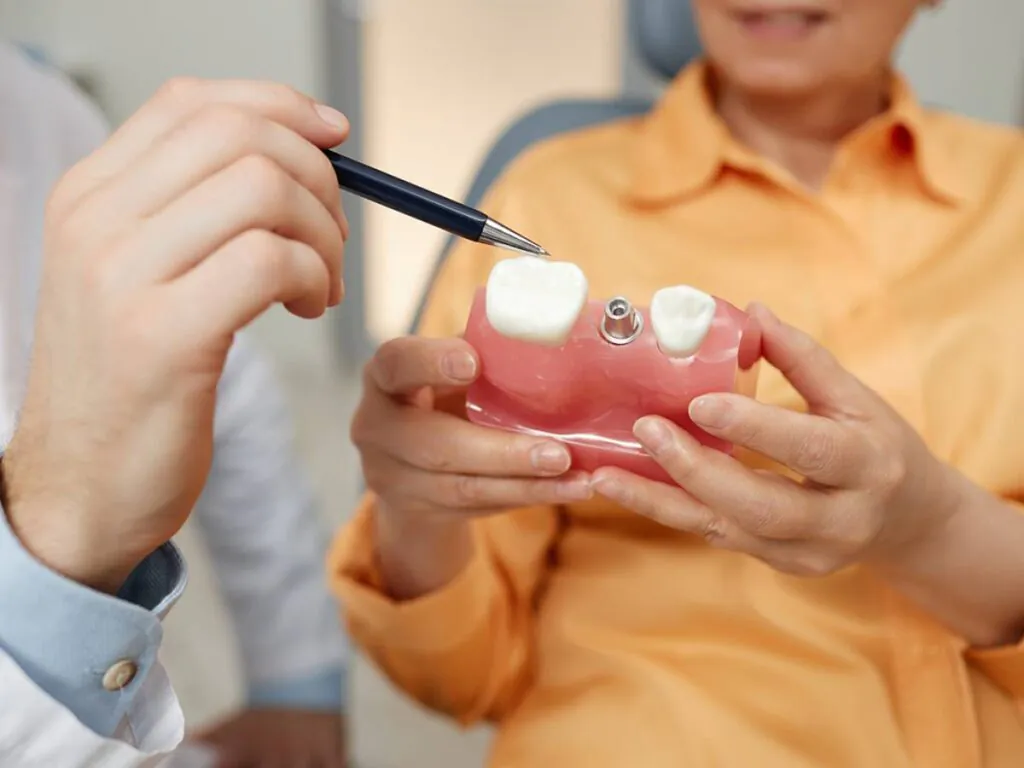 A dental implant is a small post, typically made from titanium, that is surgically placed into the jawbone to replace the root of a missing tooth. Once the implant has integrated with the surrounding bone, it can support a restoration such as a dental crown, bridge, or denture.
A complete implant restoration generally includes three components:
- Implant: The portion placed in the jawbone that acts like an artificial tooth root
- Abutment: The connector attached to the implant
- Restoration: The visible replacement tooth or teeth
Because the implant is anchored in the jawbone, it provides a stable foundation for the final restoration.
What Is the Dental Implant Process Like?
Your treatment timeline will depend on your individual oral health and the type and number of implants you need. In general, the process includes several stages.
1. Consultation and Treatment Planning
Your dentist will first examine your teeth, gums, and jawbone and discuss your goals for replacing your missing teeth. Dental X-rays or 3D imaging may be used to evaluate your bone structure and plan implant placement.
If you don't have enough bone to support an implant, your dentist may recommend a bone graft or another procedure before implant placement. In some cases, this can add additional time to the overall treatment process.
2. Implant Placement
During implant surgery, the implant post is placed into the jawbone. Local anesthesia is typically used to keep the area comfortable during the procedure, and sedation may be available for appropriate patients.
Once the implant is placed, the healing process begins.
3. Osseointegration
One of the most important stages of implant treatment is called osseointegration. During this process, the jawbone gradually bonds with the implant, creating a stable foundation for the replacement tooth.
Osseointegration takes time and can vary from one patient to another. Factors such as bone quality, implant location, overall health, and whether additional procedures were performed can affect the healing timeline.
4. Placement of the Final Restoration
Once your dentist determines that the implant has healed sufficiently, the next stage of treatment can take place. Depending on your treatment plan, an abutment may be connected to the implant, followed by your custom crown, bridge, or denture.
Your dentist will check the restoration for fit, comfort, appearance, and function.
What Can You Expect During Implant Recovery?
It's normal to experience some tenderness, swelling, or discomfort following implant surgery. You may also notice minor bleeding or bruising around the treatment area.
These symptoms generally improve as the initial healing period progresses. Your dental team will provide specific instructions based on the procedure you had.
It's important to remember that the initial recovery period is different from the complete implant-healing process. You may feel significantly better after a few days even though the implant is still integrating with your jawbone.
That's why it's important to continue following your dentist's instructions even after the area begins to feel normal.
How Can You Support a Smooth Recovery?
Although you can't control exactly how quickly your body heals, you can take several steps to support the healing process and reduce the risk of complications.
Follow Your Dentist's Instructions
Your dental team will provide personalized instructions for caring for the surgical site. These may include directions about medications, eating, brushing, rinsing, and physical activity.
Follow these instructions carefully, and contact your dental office if you're unsure about something during your recovery.
Eat Soft Foods
Your dentist may recommend soft foods during the initial healing period. Avoid putting unnecessary pressure on the implant site and follow your dentist's recommendations about when to resume your normal diet.
Avoid Smoking and Tobacco
Smoking can interfere with healing and may increase the risk of complications following implant surgery. Avoiding tobacco is an important part of supporting your oral health and implant recovery.
If you smoke or use tobacco, talk with your dentist about how it may affect your treatment.
Protect the Surgical Area
Avoid touching or disturbing the implant site unnecessarily. Follow your dental team's instructions for brushing and cleaning around the area, particularly during the early stages of healing.
Take a Break From Strenuous Activity
Your dentist may recommend avoiding vigorous exercise and strenuous activities for a period of time following surgery. Give your body time to recover before returning to your normal activity level.
Maintain Good Oral Hygiene
Keeping your mouth clean is important during implant recovery. Continue brushing and cleaning between your teeth according to your dentist's instructions, while taking care around the surgical site.
Good oral hygiene helps support the health of the gums and surrounding tissues.
Attend Your Follow-Up Appointments
Follow-up visits allow your dentist to check the implant and monitor your healing. These appointments are important even if you aren't experiencing pain or other symptoms.
Because much of the implant-healing process occurs beneath the gums, your dentist needs to evaluate the implant rather than relying only on how it feels.
What Can Delay Dental Implant Recovery?
Everyone heals differently, but certain factors can make recovery more difficult or increase the risk of complications.
These may include:
- Smoking or tobacco use
- Poor oral hygiene
- Infection
- Trauma to the surgical area
- Putting excessive pressure on an implant before it has adequately healed
- Not following post-operative instructions
- Certain health conditions or medications
- Missing recommended follow-up appointments
Your dentist can discuss your individual circumstances before treatment and provide recommendations for supporting the best possible recovery.
When Should You Contact Your Dentist?
Some swelling and discomfort are expected after implant surgery, but you should contact your dental team if you experience symptoms that seem unusual or are getting worse rather than better.
Call your dentist if you develop:
- Severe or worsening pain
- Significant or persistent bleeding
- Increasing swelling
- Fever or other signs of infection
- An implant or temporary restoration that feels loose
- Any other concerning or unexpected symptoms
Your dental team can determine whether you need to be examined and what steps should be taken.
How Long Does Dental Implant Recovery Take?
There isn't one recovery timeline that applies to every dental implant patient. The initial discomfort and swelling may improve within several days, while complete healing and integration of the implant can take several months.
Your treatment may also take longer if you need a bone graft or another preparatory procedure.
Your dentist will monitor your progress and determine when your implant is ready for the next stage of treatment. Allowing adequate time for healing is important for establishing a stable foundation for your replacement tooth.
Give Your Dental Implants Time to Heal
Dental implant treatment is a process, and recovery is an important part of achieving a stable, functional result. Following your post-operative instructions, maintaining good oral hygiene, avoiding tobacco, protecting the surgical area, and keeping your follow-up appointments can all help support the healing process.
If you're considering dental implants, the team at Smiles Dental Center can explain each stage of treatment and help you understand what to expect during recovery.
Ready to learn more about your best options for replacing missing teeth? Contact Smiles Dental Center to schedule a consultation and find out whether dental implants are right for your smile.


